Twenty-minute meals
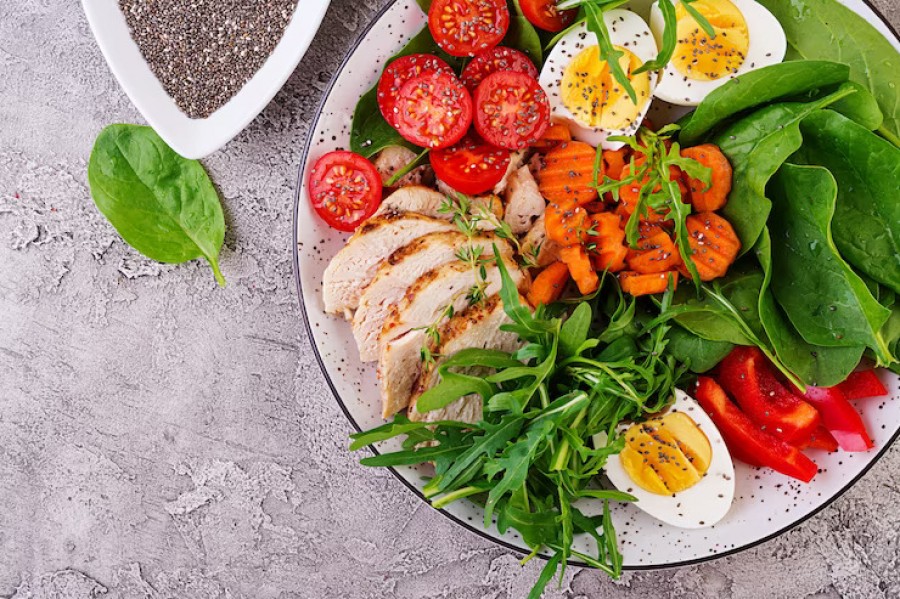
Five warm bowls using cooked grains, beans from a jar, and quick pickles—so you get vegetables in even on busy nights.

We focus on practical ways to notice taste and fullness, and on small meal habits that may support how you feel through the day. No magic fixes—just clear coaching, hands-on cooking tips, and meals you can cook again on a normal Tuesday. This is education and habit coaching, not medical or dietetic treatment.
Leave your email if you would like a simple one-page guide to weekday lunches.
It means paying attention on purpose: smells, textures, and how your body feels—without judging every bite. We turn ideas from public food and eating research into simple steps you can use at home, at work, or when you eat alone.
Start with one small habit, for example putting your fork down between bites. Studies on eating speed often find that slowing down changes bite size and chewing, and many people feel more satisfied with the same food. We are not focused on the scale; we help you notice what “enough” feels like for you today.
City life is loud: phones, rush hour, quick office lunches. So we keep things practical: lunch boxes that close properly, a shopping route you can repeat, and a bit of weekend prep when you have time. We also suggest simple checks—drink water before more coffee, put snacks on a plate instead of eating from the bag, take three slow breaths before you open the fridge late at night.
We name foods in a concrete way. Skyr is rich in protein; rye bread gives lasting starch; root vegetables add fibre that many people digest well. None of this is “magic food”—just useful building blocks when you mix colours and crunch on the plate.
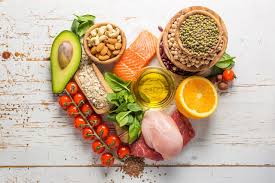
Treat your counter like a small workspace: one area for cutting, one for hot pans, one for cooling food. If vegetables are washed and cut ahead, you are less likely to grab fast food when you are already hungry. If spices sit in one tray, you spend less time searching and more time cooking.
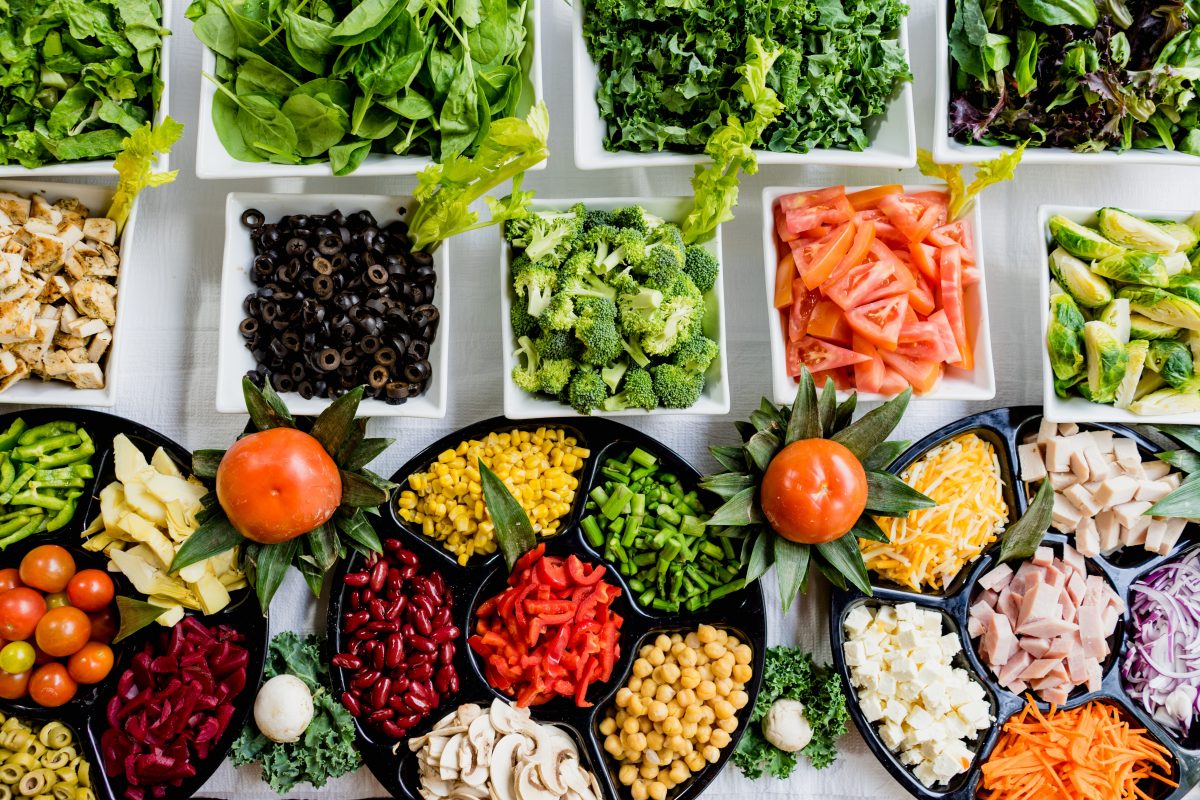
Colour on the plate usually means more kinds of plants. Kale, carrots, and red cabbage on the same plate is a quick way to remind yourself to vary ingredients—you do not need to count macros for that. Sometimes we suggest a quick phone photo for yourself, just to see which meals you enjoy making again.
Your ears help too: when a dry pan is hot enough before oil, it sounds even; when lentils simmer gently, they are less likely to boil over. These signs support you when the timer on your phone fails.
Choose one focus per month, or combine them later. Each block ends with a short reflection sheet—no grades, just your own notes.
Five warm bowls using cooked grains, beans from a jar, and quick pickles—so you get vegetables in even on busy nights.
Plan water, tea, and broth around your shifts so extra coffee is a choice, not an automatic move when you feel tired.
Simple conversation ideas so meals stay friendly—without commenting on what other people eat. Helpful for families and flatmates.
Basic rules we follow in sessions and recommend at home. They support safer cooking; they are not a substitute for medical advice.
Wash hands for at least twenty seconds before touching food that is ready to eat, especially after eggs or raw chicken. Use separate boards for raw meat and vegetables, or wash the board well between steps if you only have one. Cool soup within two hours, then store it in shallow containers so it cools evenly in the fridge.
Heat leftovers until they are hot all the way through; stir once in the microwave so there are no cold spots. Soak and boil dry beans properly; undercooked beans upset many people’s stomachs. A simple food thermometer helps with large roasts—colour alone can mislead you.
If you feel dizzy, faint, or unwell during a session, stop, sit down, and get the care you need. Our coaching is about food skills and habits, not medical diagnosis. For pregnancy, eating disorders, or complex health issues you deserve specialist care—we can point you to public information in Denmark, but we do not replace clinicians.
We like clear patterns more than one fancy dish. A warm grain bowl is: grain + roasted vegetables + something crunchy + something sharp at the end—for example barley, beet, sunflower seeds, and lemon skyr. You can swap farro for barley, carrots for beet, hazelnuts for seeds; the idea stays the same.
On a sheet pan, start hard vegetables first, add quick greens near the end, and add fish or meat when the time is right for safe cooking. Add vinegar or lemon after roasting so the taste stays fresh. A big pot of lentil ragu freezes flat in bags; thaw it overnight for toast or a baked potato.
Savoury breakfast can be light: rye bread, cottage cheese, cucumber, dill, and pepper. Sweet works too—oats with frozen berries warmed in the pot add colour with little or no extra sugar if the fruit is sweet enough.
Science changes over time. Think of this as background reading, not personal advice—talk to a qualified professional when you need a plan for your own health.
Fibre from whole grains, beans, fruit, and vegetables is linked in large studies to heart and gut health patterns at a population level. Adding a bit more fibre over time can be one part of a bigger care plan your clinician designs—it is not an instant fix. Some studies suggest spreading protein through the day with fibre and some fat in the same meal is one pattern people experiment with; your experience may differ.
Mindful eating studies often report that people enjoy meals more and sometimes eat a bit less—not because of strict rules, but because paying attention cuts autopilot. We turn that into simple exercises: count chews for a few bites, say one word about taste out loud, or notice how the food cools. None of this replaces advice tailored to you by a qualified professional.
We skip hype. Food is food—nutrients matter, culture matters, and no single ingredient has to carry a moral label.
Times follow Denmark (CET). Groups stay small so everyone can hear and cook comfortably.
| Date | Format | Focus | Location note |
|---|---|---|---|
| 28 May 2026 | Evening lab | Savoury skyr sauces for grain bowls | Odense city centre walk-in kitchen |
| 06 Jun 2026 | Weekend brunch | Shared plates and simple table topics | Outdoor if dry, indoor backup |
| 18 Jun 2026 | Online Q&A | Batch prep for shift workers | Link emailed after RSVP |
| 02 Jul 2026 | Pop-up tasting | Fermented vegetables, step by step | Market stall partner venue |
No. A single decent knife, one large pan, and two cutting boards already cover most lessons. We adapt to small flats, shared fridges, and noisy housemates.
It is coaching about food skills, daily routines, and paying attention while you eat. If you need deeper clinical help, we talk openly about where to look next.
No. We are not licensed to prescribe medical diets. We can sketch flexible meal ideas that you then check with your doctor or dietitian if needed.
No. We teach kitchen skills, routines, and mindful eating habits. Outcomes depend on many factors outside our control, so we do not guarantee weight change, lab markers, or any other health result. For medical goals, work with your care team.