
Eating with more attention, step by step
Mindful eating here means noticing what is on your plate and how it feels—sound, smell, warmth—not sitting in silence for an hour. Below are habits you can try without turning dinner into homework.
Look at your plate before you start. If everything is pale, add one green herb, one sour note (lemon or vinegar), and one crunchy topping before you think about anything else. More colour usually means more kinds of plants. When you sit down, say the first smell you notice out loud or in your head—it helps you arrive at the meal.
Chew a little longer on dense bread (often around fifteen to twenty chews); soft fish needs less. You can count for three bites at the start, then stop counting. If you eat with others, try a short round where each person says one word about taste—it keeps chat light and slows the fork without judging bodies.
Late hunger can mean food, warmth, or simply a break from screens. Tea with milk and a date might be enough; if you still want food, put it on a plate, sit down, and eat without scrolling.
How to notice when you are full enough
Many people eat a little slower near the end, taste a little less, and feel the jaw relax. Some feel gentle warmth in the upper stomach. Signs change from day to day—that is normal.
If you always clear the plate, try serving at the stove and leaving seconds in the kitchen. Use the same spoon or ladle each time so your eyes learn a portion before you sit down. Leftovers then become an easy lunch on purpose.
When the world pulls you away from the meal
Headphones and fast chewing often go together. If you like a podcast, choose something calm for the first few bites, then carry on as you like. If you stand at a desk, try to sit for the last part of the meal so it is easier to notice fullness.
- Put your phone face-down; flip it after the plate is clear.
- Sip water mid-meal; pause swallow before the next bite.
- Note one texture adjective per course: creamy, crisp, silky.
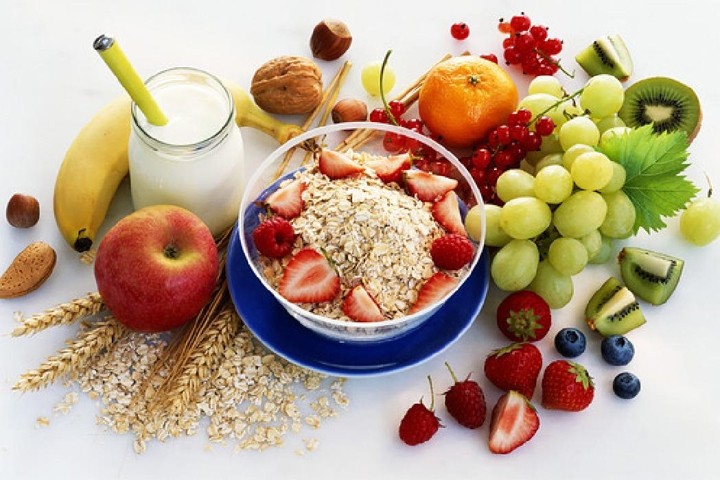
Plating food so it looks good to you
Neat slices, fresh herbs, a little salt on top—these small touches can make food taste better before the first bite. You never have to post a photo; this is for you.
For lunch boxes, jars keep dressing away from salad until you shake them. Opening the lid can be a small pause in a busy day.
Staying safe while you cook mindfully
Keep oven gloves where you can see them. When you blend hot soup, open the vent on the lid and start the motor slowly so hot liquid does not splash. Cut round vegetables in half first and lay the flat side down so they do not roll under the knife.
Write dates on leftovers. If food smells wrong, throw it out. Wash reusable shopping bags often so crumbs do not grow mould.
If you have allergies, follow the plan your doctor gave you and keep emergency information on the fridge. In coaching we may read labels together, but we never ask you to try a new food “just to see.”
Common questions
Most people add two to four minutes at first, then settle into a natural pace. Busy days still exist; even sixty attentive seconds before the first bite changes the tone.
Focus on being together, not on matching speed. Ask about their day instead of commenting on what they eat. You can still enjoy your own food slowly.
No. Music or candles are optional. A tidy table and a glass of water are enough.